Who we are
About us
E-RIHS.it represents the national node of the European Research Infrastructure on Heritage Science E-RIHS (www.e-rihs.eu) and aims to create a distributed research infrastructure (RI) for Heritage Science in Italy.
Recognized as a potential research infrastructure of pan-European interest, E-RIHS.it was approved and funded by MIUR, the Italian Ministry of Education, University and Research.
E-RIHS.it, coordinated by CNR, strengthens the Italian position in Europe in the field of Heritage Science and improves its capabilities in the technological and scientific sectors related to Cultural Heritage. E-RIHS.it integrates cutting-edge facilities and offers access to a wide range of high-level scientific tools, as well as to methodologies, data and tools to promote knowledge and innovation in the conservation of Cultural Heritage. E-RIHS.it connects researchers from different organizations and promotes their mobility, contributing to the dissemination and enhancement of national research and technological development.
Activities and Services
E-RIHS.it provides access to laboratories, instrumentation, expertise, and data for cultural heritage research. Through its platforms and partner network, it supports excellence in Heritage Science projects, fosters collaboration among researchers, organizes training and networking activities, and promotes the dissemination of research and innovation results within the cultural heritage sector.
Access to the Italian node’s laboratories is granted through international TransNational Access calls promoted by E-RIHS ERIC.Proposals are evaluated by international experts based on scientific excellence; for selected projects, access to infrastructure and services is free of charge.
Research Platforms
MOLAB – Mobile Laboratory
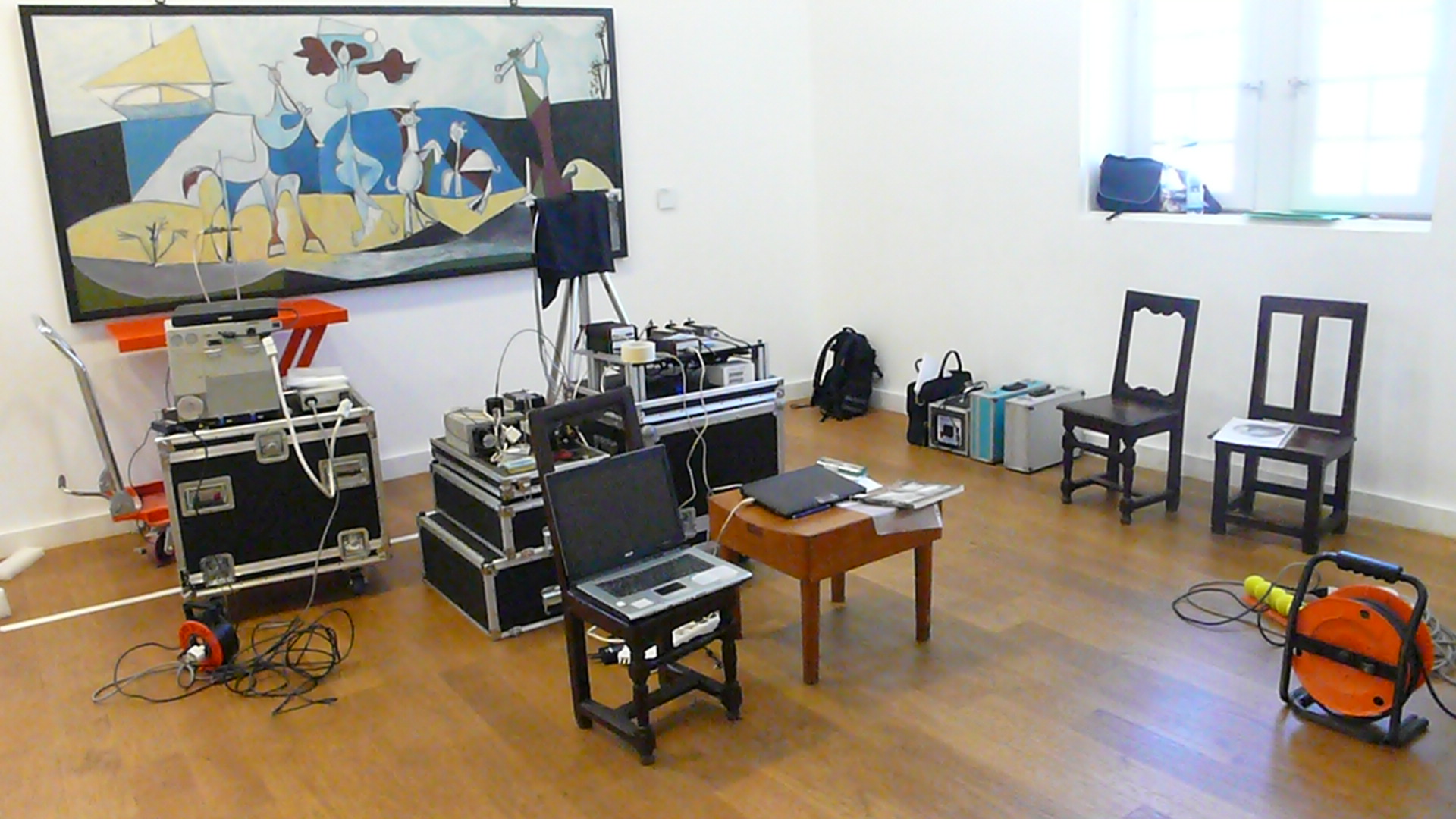
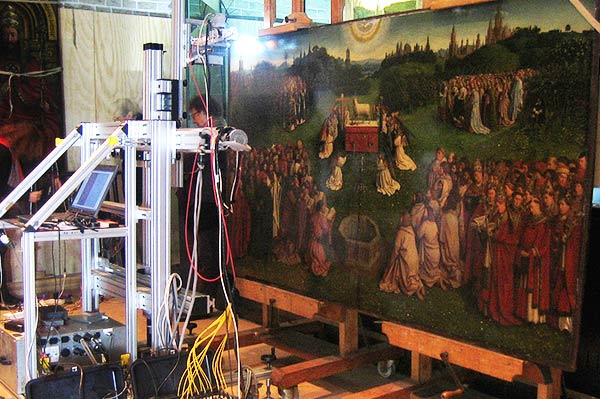
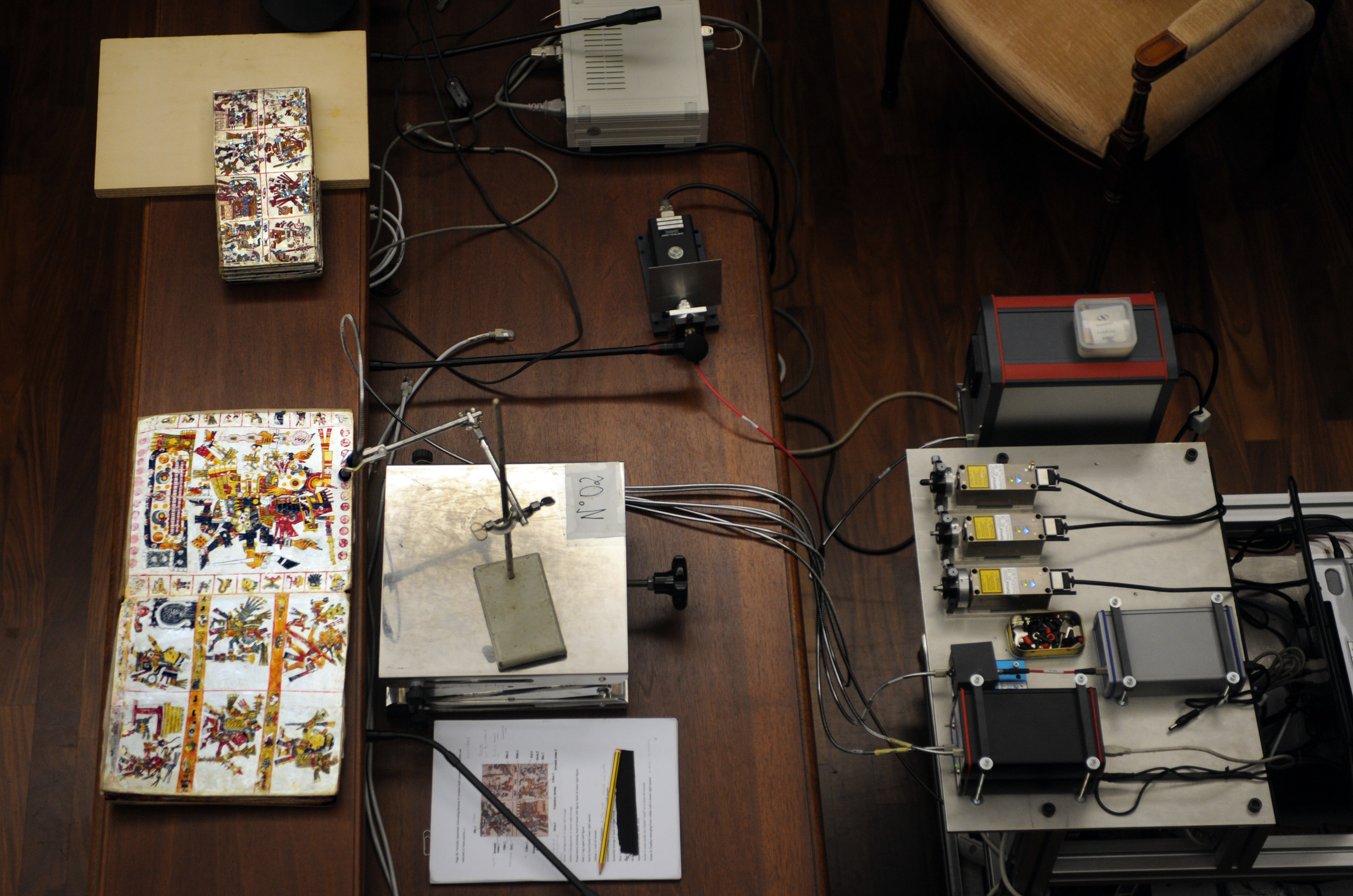
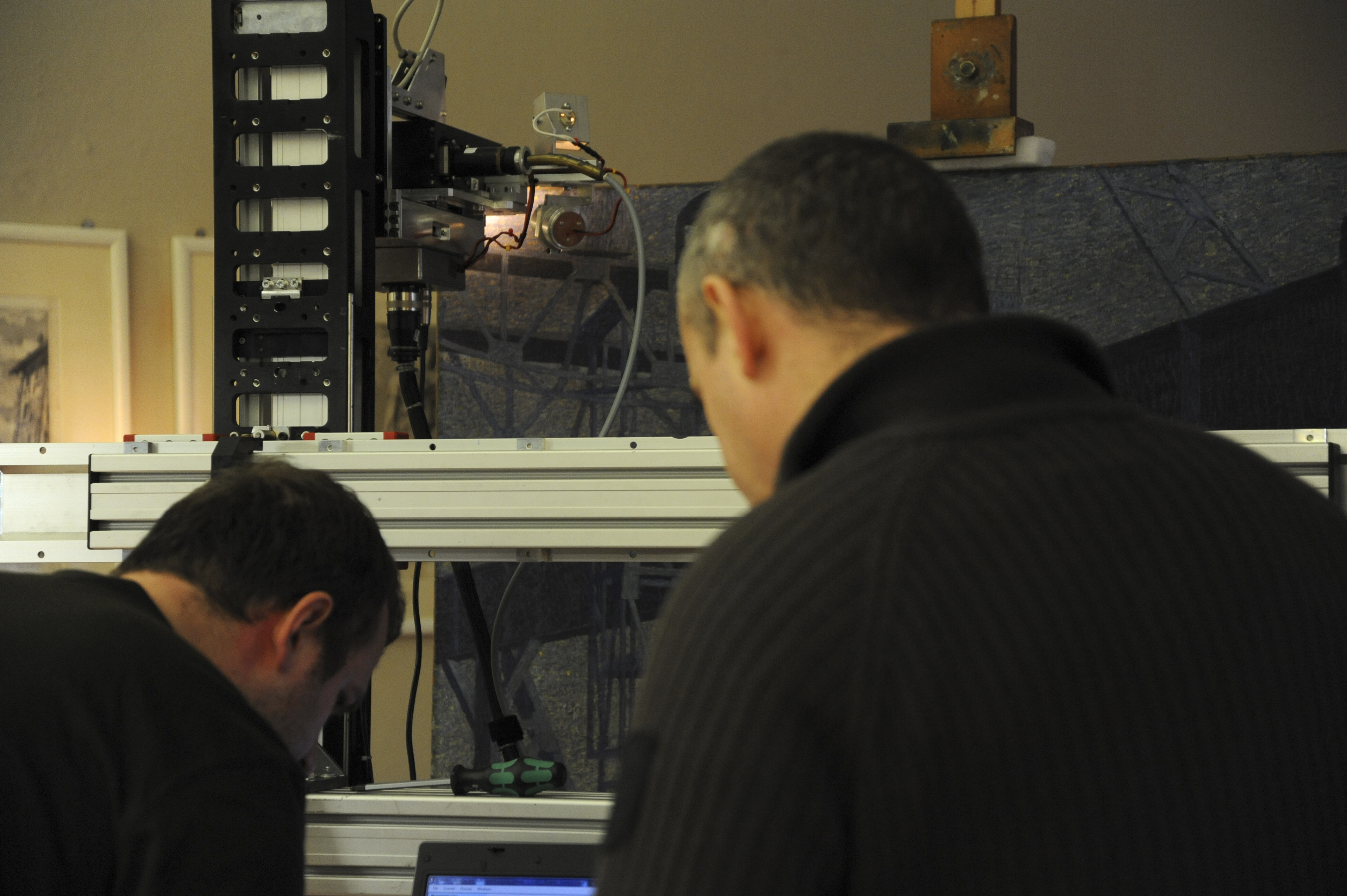
MOLAB is the E-RIHS.it mobile laboratory platform dedicated to non-invasive and non-destructive diagnostic investigations of cultural heritage. The platform provides a wide range of portable instruments and specialized expertise to conduct *in situ* scientific analyses on artworks, museum collections, monuments, archaeological sites, historic buildings, and more.
In recent years, MOLAB has played a key role in major diagnostic campaigns across Italy and Europe, contributing to new scientific insights regarding some of the most significant European cultural heritage masterpieces and sites. The platform’s mobility allows technologies to be brought directly to the objects and sites of interest, thereby avoiding the need to move items and reducing risks to the heritage assets under study.
FIXLAB – Fixed Laboratories
FIXLAB brings together a network of specialized scientific laboratories offering access to advanced analytical techniques for studying cultural heritage materials and objects. Analyses are performed at the laboratory facilities on samples or objects submitted by researchers, aiming to address specific scientific questions regarding the composition, provenance, degradation processes, production techniques, and conservation of the artifacts.
DIGILAB – Digital Laboratory
DIGILAB is the E-RIHS.it digital platform dedicated to the management, sharing, and reuse of research data in Heritage Science. It serves as a unified hub capable of acquiring, processing, normalizing, and exposing heterogeneous data from diverse disciplines and platforms. By rendering this data semantically homogeneous and interoperable, it enables knowledge discovery processes that cut across various disciplinary fields.
Developed in accordance with FAIR principles, the platform provides the scientific community with an ecosystem of tools, services, and data. This enables users to deposit their research data—along with the scientific processes that generated them (for instance, via Movida 2.0, which is dedicated to diagnostic data)—and to share them either openly or exclusively with their own workgroup. Users can also process the data using scientific applications federated within the ecosystem (via the Collaborative Virtual Research Environment—CVR-E—and the Data Catalog) and, finally, make them public and universally discoverable by assigning a unique Digital Object Identifier (DOI) and publishing them in the Data Portal.
Coordinated by CNR ISPC, DIGILAB fosters data-driven research and the creation of an open digital ecosystem for cultural heritage. It lays the groundwork for developing advanced digital representations of cultural assets (Heritage Digital Twins) and ensures digital continuity for the diagnostic and conservation activities carried out by MOLAB and FIXLAB.
Training, Networking, and Innovation
E-RIHS.it promotes a collaborative ecosystem that connects researchers, cultural heritage professionals, businesses, and institutions. Through PhD programs (PhD-HS.it and PASAP Med) and by organizing training camps, workshops, specialized training courses, and networking initiatives, the node fosters the growth of the Heritage Science community. It also supports the dissemination of the skills needed to address the challenges of conserving and enhancing cultural heritage. Particular attention is paid to technology transfer and innovation development, with the aim of transforming research findings into tools and methodologies applicable to heritage preservation.
Scientific Research and Competitive Projects
E-RIHS.it supports national and international research projects focused on the study of materials, artistic techniques, conservation processes, and cultural heritage preservation strategies. The node’s activities contribute to the advancement of scientific knowledge and the development of innovative technological solutions to support museums, cultural institutions, heritage preservation bodies, and the scientific community.
ITALIAN PARTNERSHIP
Currently, the Italian node consists of the following CNR institutes:
- ISPC (Istituto di Scienze del Patrimonio Culturale – Firenze, Milano, Roma, Napoli, Catania, Potenza, Lecce)
- SCITEC (Istituto di Scienze e Tecnologie Chimiche “Giulio Natta” – Perugia), that cooperates with SMAArt, the University of Perugia’s Centre of Excellence specialized in the study and conservation of works of art.
- INO (Istituto Nazionale di Ottica – Firenze, Napoli)
- ISTI (Istituto di Scienza e Tecnologie dell’Informazione – Pisa)